
Before they became global icons, the biggest names in martial arts movies had to make that one film that showed the world what they could do. Over the years, martial arts films have been one of Hollywood’s biggest star-making machines. This spans decades and across several continents, where fans have fallen in love with these warriors.
The entire genre of martial arts movies is tailor-made to create stars. The physical charisma, athleticism, and true star presence remain almost impossible to fake. The films force these stars to be the spectacle of the story and not just pretend. There are no stunt doubles here, and fans know these men and women are genuine.
This goes way back in history to the martial arts stars who made their names in Hong Kong cinema and Southeast Asian films. In the 70s, America started building its own martial arts stars in films mimicking what was made abroad. These movies also crossed cultural and language barriers, and this blueprint was made by iconic legends.
This tradition continues to this very day, with men and women making their names in martial arts movies and setting up a career that will rocket them to the top of Hollywood and Asian filmmaking. With streaming services, this allows new stars to have a global reach that the names from the past lacked.
However, this is why these martial arts movie stars remain so iconic, even more than the newer stars. Without the reach of streaming and TV, these athletes made their names by just taking on roles in these films and setting their own cultural footprint with iconic performances, often in their breakout movie roles.
Chuck Norris – The Way of the Dragon (1972)
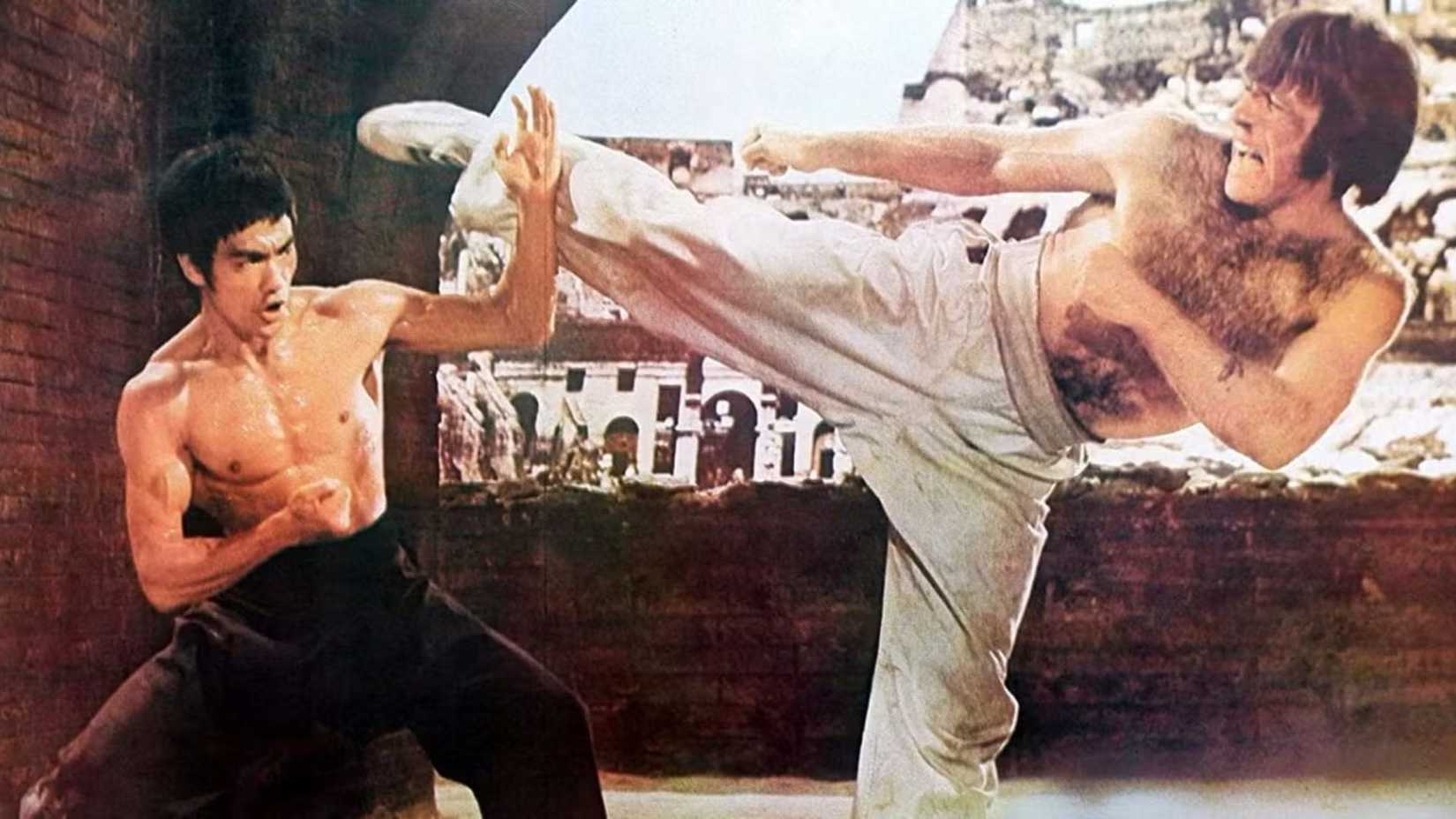
Chuck Norris died in 2026, but during his incredible career, he developed a reputation as one of the greatest American martial arts actors of all time. It should come as no surprise that it was Bruce Lee who personally sought out Norris to star in the climactic fight scene in his movie, The Way of the Dragon.
Norris was a six-time undefeated Karate world champion when Bruce Lee (who directed, wrote, starred in, and choreographed the movie) brought him in. That final fight between Lee and Norris took place in the Roman Colosseum, and it was one of the most celebrated martial arts fights in movie history.
This helped Chuck Norris create his on-screen persona, as a stoic, powerful, and masterful fighter with very little expression, which carried on through his own films. It was Norris who became one of Hollywood’s go-to martial arts stars after Bruce Lee died in 1973.
Gordon Liu – The 36th Chamber of Shaolin (1978)
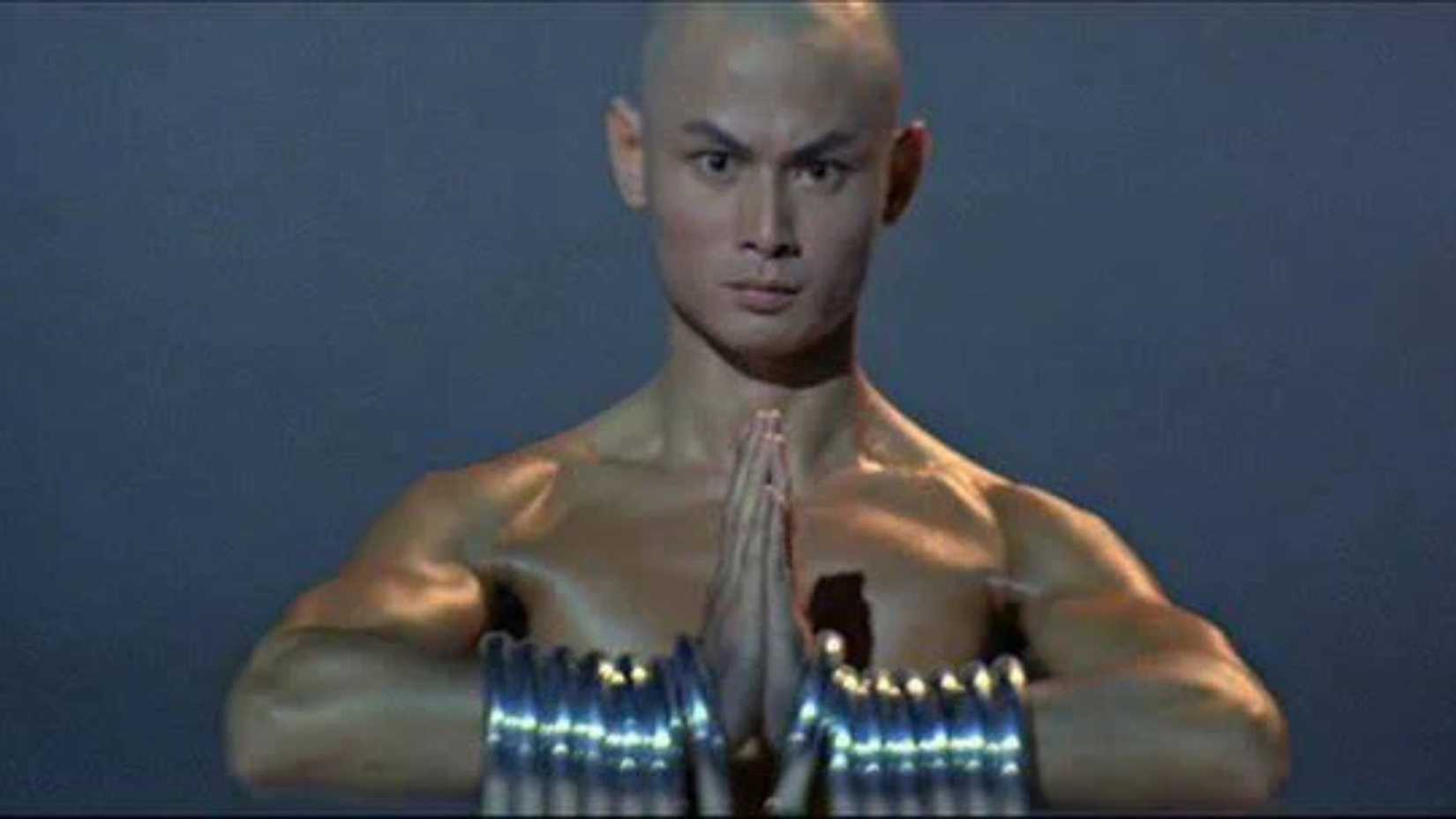
Gordon Liu’s breakout performance came in the 1978 martial arts movie, The 36th Chamber of Shaolin. In this film, he starred as San Te, a young revolutionary who masters 35 chambers of Shaolin training, and then he creates a 36th to share kung fu with the common people.
This was an incredible character arc for San Te, who went from the bottom to the top, and it helped create the template for almost every martial arts film that uses a training narrative. This was the movie that helped influence everything from The Karate Kid to countless Hong Kong action films.
What really made Gordon Liu stand out was that he was much smaller than typical martial arts action heroes, which was deliberate. This movie, like The Karate Kid years later, showed that even an ordinary person could become a hero. Liu became a monster star in the 70s and 80s, and he even appeared in Kill Bill in 2003.
Steven Seagal – Above the Law (1988)
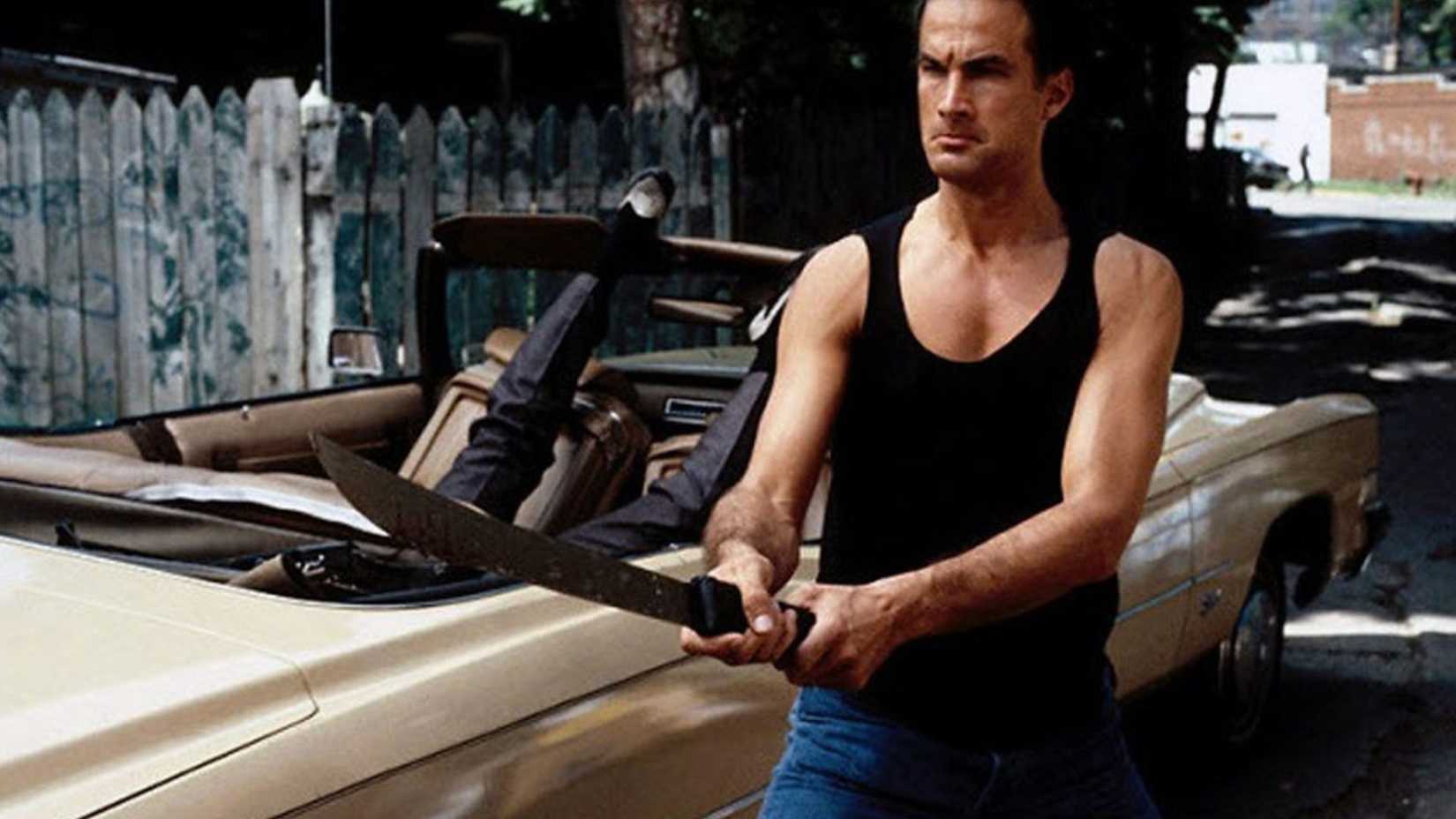
Steven Seagal was a massive American martial arts star in the 80s and into the 90s. While he eventually ended up as another DTV action star, when he was on top, there were few martial artists with his star power. His breakout came in the 1988 martial arts action movie, Above the Law.
Before he broke into acting, Seagal was a 7th-dan aikido master and actually opened his own dojo in Japan. He was also a bodyguard and this made him a legitimate tough guy when he started acting in movies. This first movie showed how comfortable he was utilizing his skills and no trained actor could replicate his action sequences.
Above the Law grossed $12.9 million domestically and launched Steven Seagal’s action career, which included future hits like Hard to Kill, Marked for Death, and Under Siege. For at least a few years, he was a guaranteed box office draw, thanks to his grounded and non-flashy persona, contrasted with someone like Jean-Claude Van Damme.
Jean-Claude Van Damme – Bloodsport (1988)
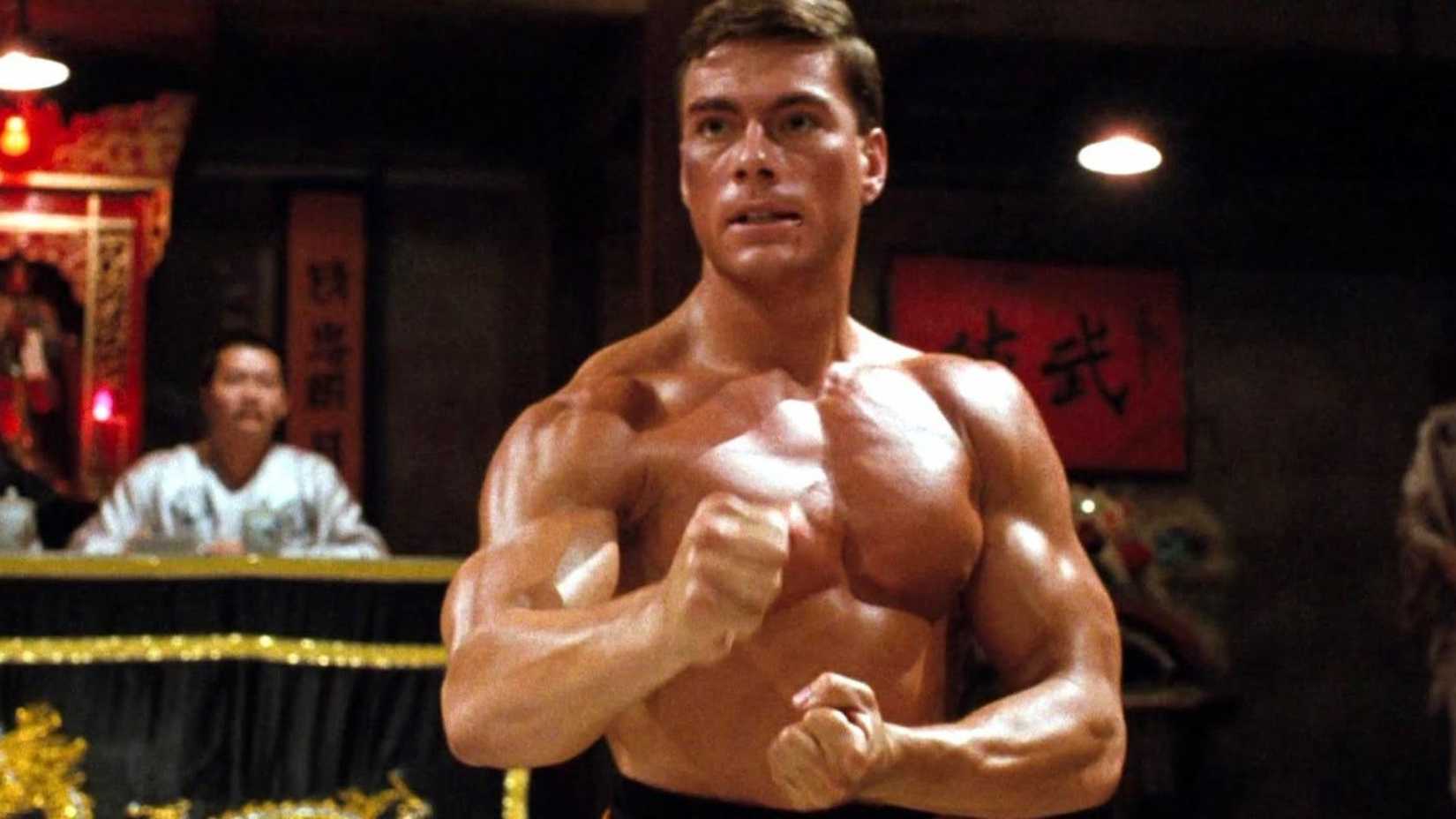
Before he appeared in Bloodsport, Jean-Claude Van Damme worked in Hollywood mostly as a small supporting actor trying to convince producers to buy into his martial arts training. He even almost had a chance to play the Predator in the Arnold Schwarzenegger movie in 1987. However, one year later, he broke out.
Made for a very low budget of $1.5 million, Bloodsport made over $11 million domestically, and it made Van Damme a household name. Based on the disputed true story of Frank Dux, Van Damme played a martial arts fighter who fought in a secret underground tournament that turned deadly.
Van Damme showed his unique flexibility, which was his trademark thanks to his fight scenes in Bloodsport. He was so popular that he became an influence, as well as a target for parody in the future. As a movie, Bloodsport was also responsible for indirectly influencing games like Street Fighter and Mortal Kombat.
Tony Jaa – Ong-Bak (2003)
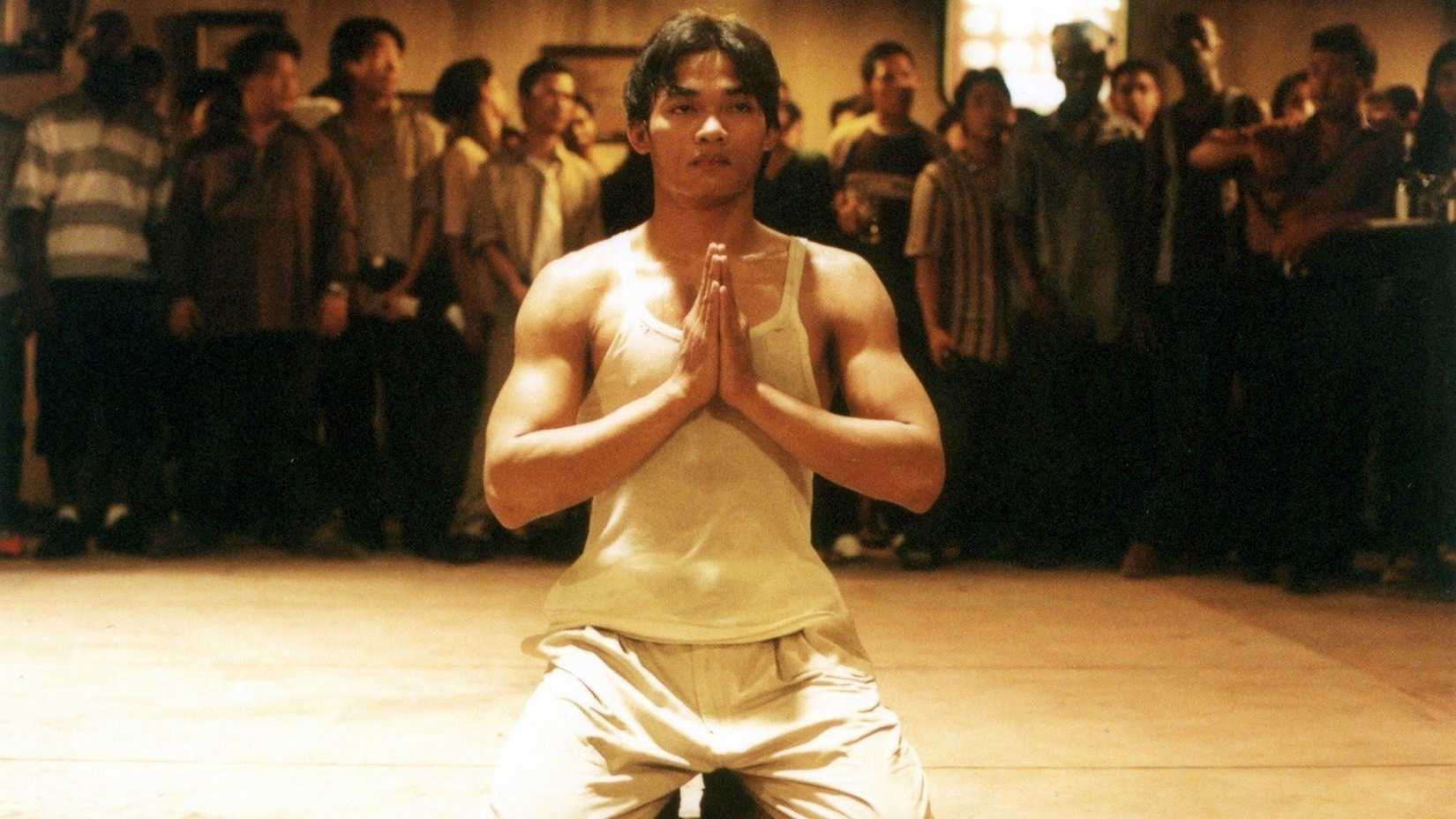
Tony Jaa worked as a stuntperson in martial arts movies for 14 years before he finally got a chance to take on a leading role in his own action film. That movie was Ong-Bak in 2003, and he became an immediate star. Not only that, but Jaa proved to be arguably the most physically gifted martial arts actor in a generation.
This movie was a huge return to basics, ignoring the theatrics of Hero and Crouching Tiger, Hidden Dragon, and presenting a story that used no special effects, wires, or CGI. There were also no stunt doubles. This was as viscerally real as a martial arts movie looked at the time.
<![CDATA[
window.adsNinja = window.adsNinja || {};
window.adsNinja.queue = window.adsNinja.queue || [];
window.adsNinja.queue.push(function(){
var functionToRun = function(){
var fallbackContent = `
Your browser does not support the video tag.
`;
let result = null;
try{
result = window.adsNinja.monetizeVideo(‘.emaki-video-player-7ed9a5dd3a194ab4’, JSON.parse(`{“name”:”Instream-InContent”,”groupName”:”content”}`), JSON.parse(`{“trackingId”:”in-content”,”playlist”:[{“title”:”Ong Bak: The Thai Warrior (2003) | Trailer”,”description”:””,”length”:”2:10″,”mimeType”:”video\/mp4″,”url”:”https:\/\/video.srcdn.com\/trailers\/movies\/659202.mp4″,”thumbnailLink”:”https:\/\/static0.srcdn.com\/wordpress\/wordpress\/wp-content\/uploads\/trailers\/movies\/659202.jpg?fit=crop&w=1024&h=576″,”textTracks”:[]}]}`));
if(!result){
console.warn(‘Failed to load AdsNinja video player.’);
document.getElementById(’emaki-video-player-7ed9a5dd3a194ab4′).innerHTML = fallbackContent;
}
}
catch(error){
console.warn(‘Failed to load AdsNinja video player.’);
document.getElementById(’emaki-video-player-7ed9a5dd3a194ab4′).innerHTML = fallbackContent;
} finally {
if(!result) {
let videoPlayerContainer = document.getElementById(’emaki-video-player-7ed9a5dd3a194ab4′);
if(videoPlayerContainer) {
let videoPlayer = videoPlayerContainer.querySelector(‘video’);
videoPlayerWaypoint = new Waypoint.Inview({
element: videoPlayerContainer,
enter: function (direction) {
if(direction == ‘up’){
this.element.classList.remove(‘video-player-floating’);
}
},
entered: function (direction) {
if(direction == ‘up’){
this.element.classList.remove(‘video-player-floating’);
}
},
exit: function (direction) {
if(direction == ‘down’ && !videoPlayer.paused) {
this.element.classList.add(‘video-player-floating’);
}
},
exited: function (direction) {
if(direction == ‘down’ && !videoPlayer.paused) {
this.element.classList.add(‘video-player-floating’);
}
},
offset: -50
});
videoPlayerContainer.querySelector(‘button.prem-player-close’).addEventListener(‘click’, function() {
videoPlayerContainer.classList.remove(‘video-player-floating’);
if(videoPlayer) {
videoPlayer.pause();
}
});
videoPlayer.addEventListener(‘fullscreenchange’, function () {
Waypoint.refreshAll();
});
}
}
}
};
if(typeof window.adsNinja.scheduleOnReadyState === ‘function’){
window.adsNinja.scheduleOnReadyState(‘complete’, functionToRun);
}
else{
window.adsNinja.queue.push(functionToRun);
}
});
]]>
There was even a scene where Jaa ran across the shoulders of a crowd, ducked under electrified wires, and then used pure parkour. That was all realistically done and edited to show there was no trickery. Ong-Bak had two sequels and Jaa moved on to the big budget Furious 7 in 2015.
Jet Li – Shaolin Temple (1982)
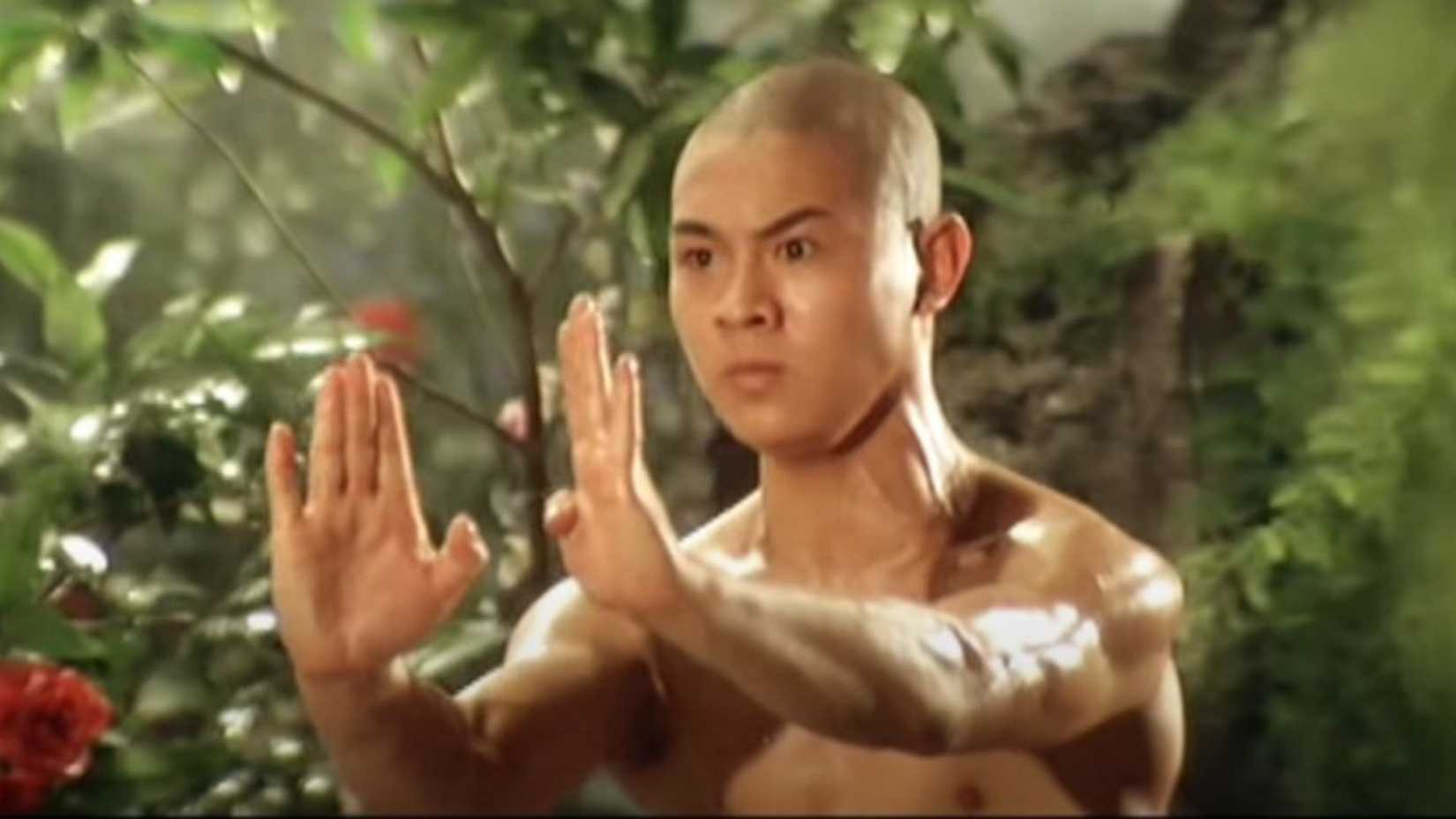
Many American movie fans got to know Jet Li thanks to his role in the Lethal Weapon franchise, but he broke out a decade earlier with the 1982 release, Shaolin Temple. Before acting, Jet Li won five straight Chinese National Wushu Championships. One of China’s most celebrated martial artists, he made his movie debut with Shaolin Temple.
This was one of the first modern movie productions that was allowed to film a movie in an actual Shaolin Temple in Henan Province, and that helped give it an authentic feel. Li brought his Wushu background to his performance and that helped him stand out from other kung fu stars of the era.
This movie made him a bigger star than even his athletic career, and Shaolin Temple earned two sequels, making Jet Li one of China’s first massive international stars. On top of Lethal Weapon 4, Li went on to appear in Once Upon a Time in China, Romeo Must Die, and the Expendables franchise.
Michelle Yeoh – Yes, Madam! (1985)
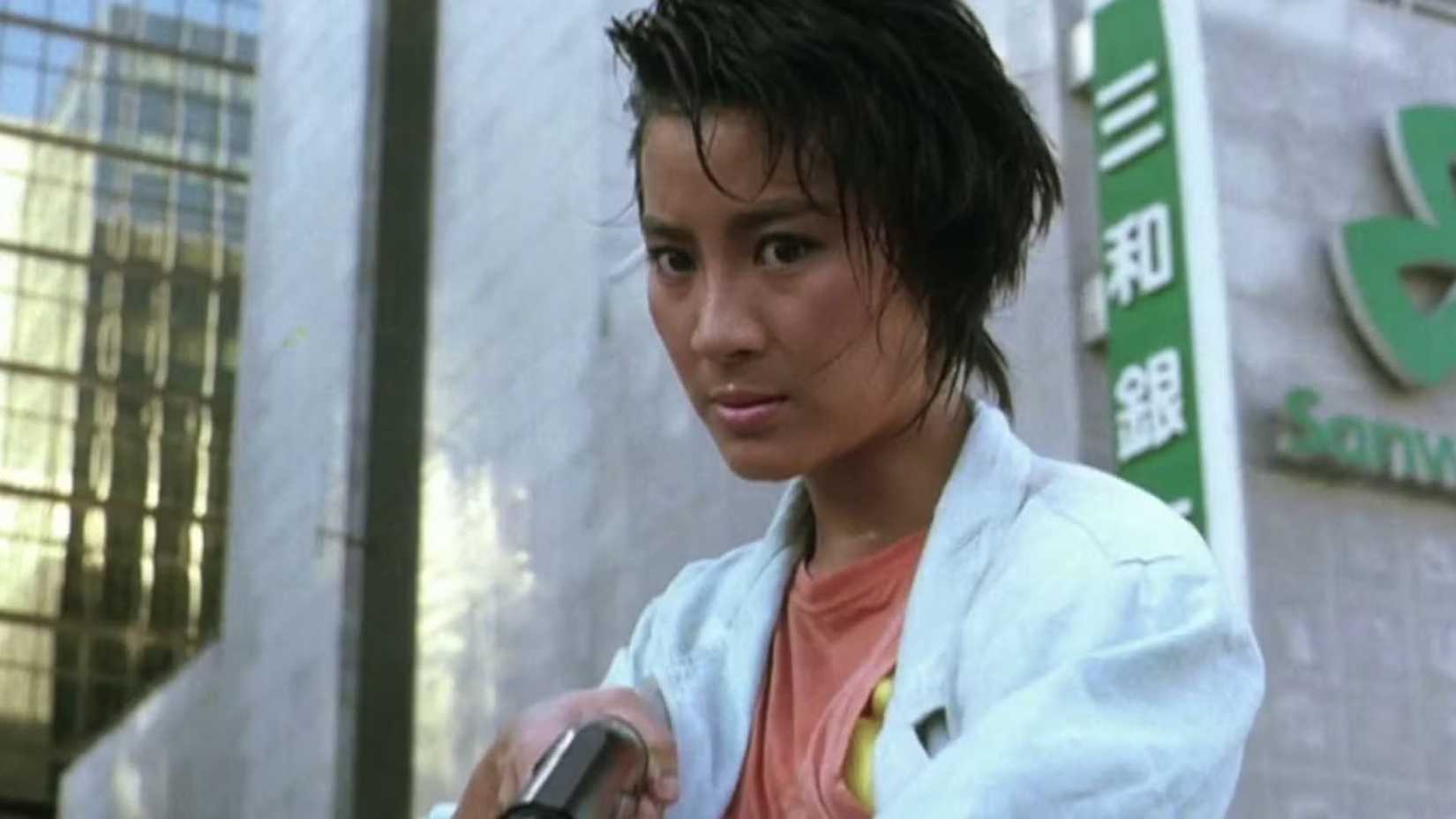
Michelle Yeoh is one of the most successful female martial arts stars in history. Her career actually started when she was a beauty queen, winning Miss Malaysia in 1983, and moving on to commercials. However, with no martial arts training and no acting credits, Yeoh was signed to star in the lead in Yes, Madam!
Yeoh, instead, was a trained dancer and used those skills to help her as she began intensive training of eight-hour-a-day routines. This not only made her proficient for the movie’s fight scenes, but it also allowed her to do her own choreography and she didn’t need a stuntperson to stand in for her in those scenes.
This movie created the “Girls with Guns” genre in Hong Kong, putting an emphasis on female fighters. Michelle Yeoh went on to have an incredible career, including roles in Tomorrow Never Dies, Crouching Tiger, Hidden Dragon, and she won an Oscar for Everything Everywhere All At Once.
Donnie Yen – Drunken Tai Chi (1984)
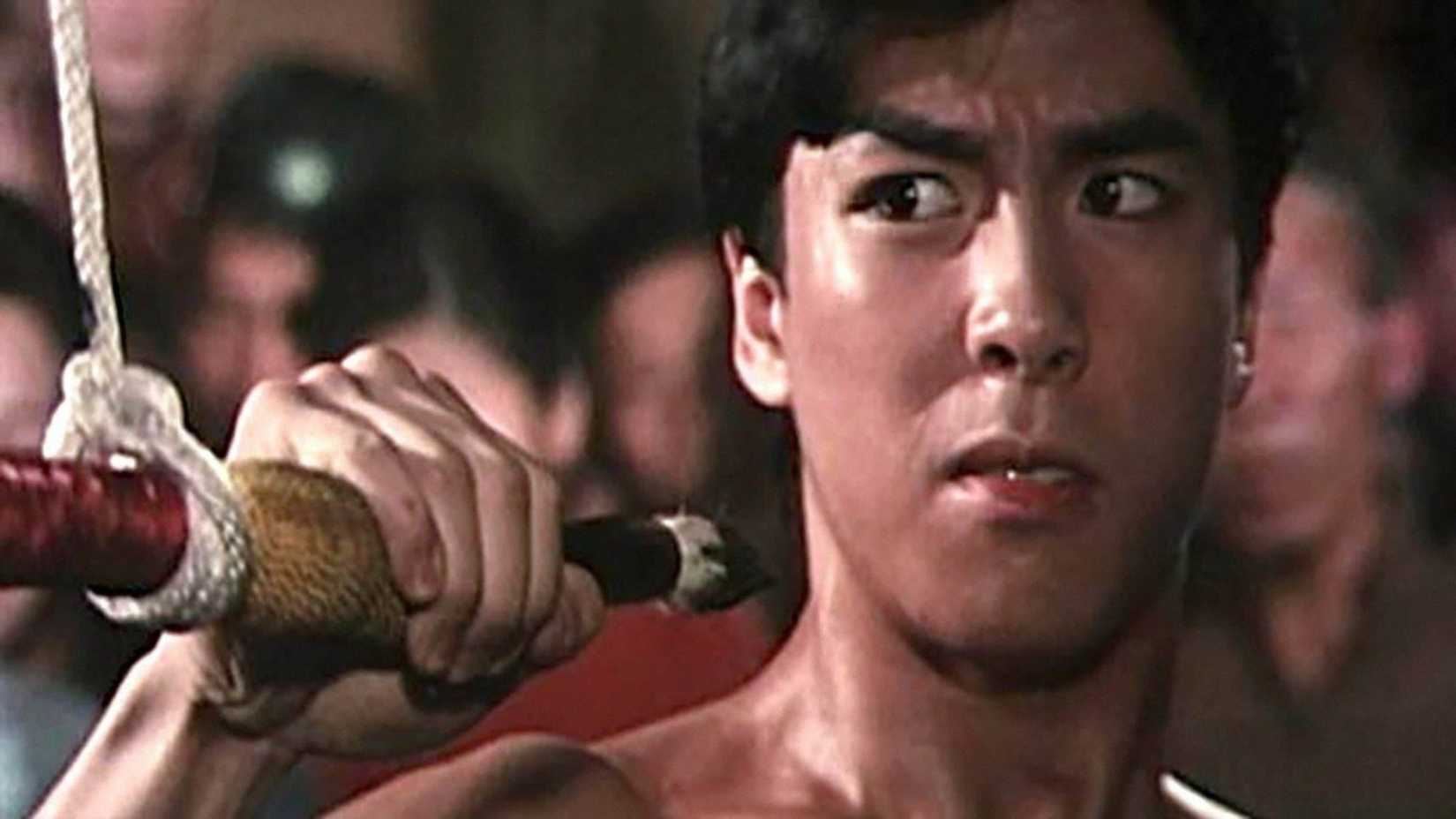
Donnie Yen started his martial arts acting career working under Yeun Woo-ping, who cast the promising young martial artist in the movie Drunken Tai Chi in 1984. At the time, Yen was only 20 years old, but it showcased Yen’s incredible speed. Yen was so fast that cameras of the era had trouble capturing his stunts clearly.
This movie mixed the drunken boxing that Jackie Chan popularized the prior decade and combined it with the philosophical tradition of Tai Chi. This offered up a fighting style that was unlike anything else in movies at the time. It also helped Yen differentiate himself thanks to him delivering emotional expression through his movement.
After Donnie Yen’s breakout performance in this movie, he became one of Hong Kong’s most celebrated martial arts stars, moving on to star in the popular Ip Man franchise. He even got blockbuster roles in Rogue One: A Star Wars Story.
Bruce Lee – Enter the Dragon (1973)
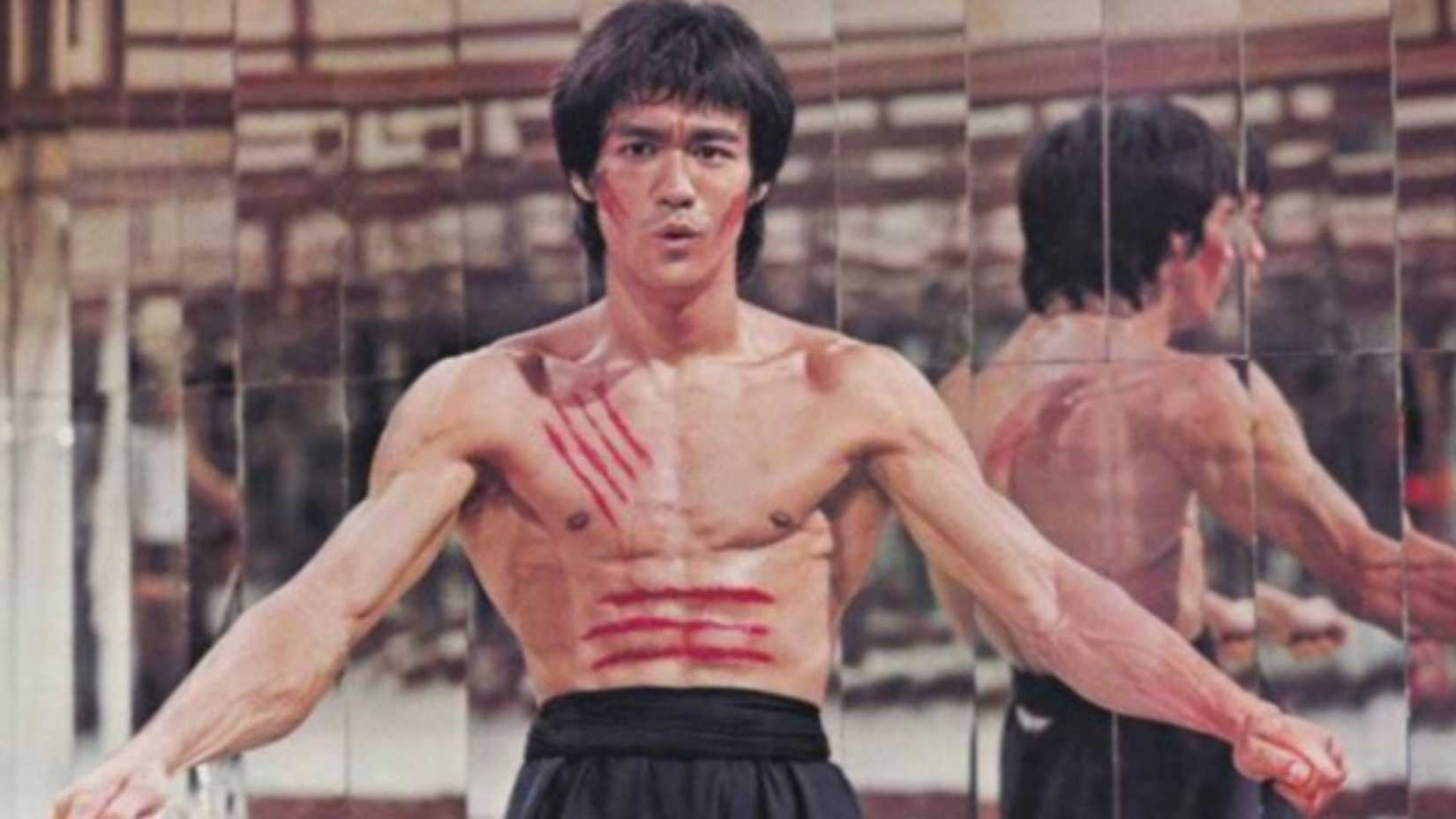
Bruce Lee remains one of the most celebrated martial arts actors of all time. His breakout role came in the 1973 action movie Enter the Dragon, which was his first English-language film (although he did appear in productions like Green Hornet). The movie was made for $850,000 and made over $116 million worldwide.
However, while this was Bruce Lee’s true breakout role for worldwide audiences, it was also his last while alive, as he died six days before its worldwide premiere. This was a shame since his performance here influenced almost every Chinese martial arts movie that has come out since.
Lee’s charisma, personality, physicality, and screen presence made him a genuine global superstar, but it came after his death. This one movie showcases what made Lee great, from his philosophy to his mastery of martial arts, to a calmness that let everyone know he was always in charge.
Jackie Chan – Drunken Master (1978)
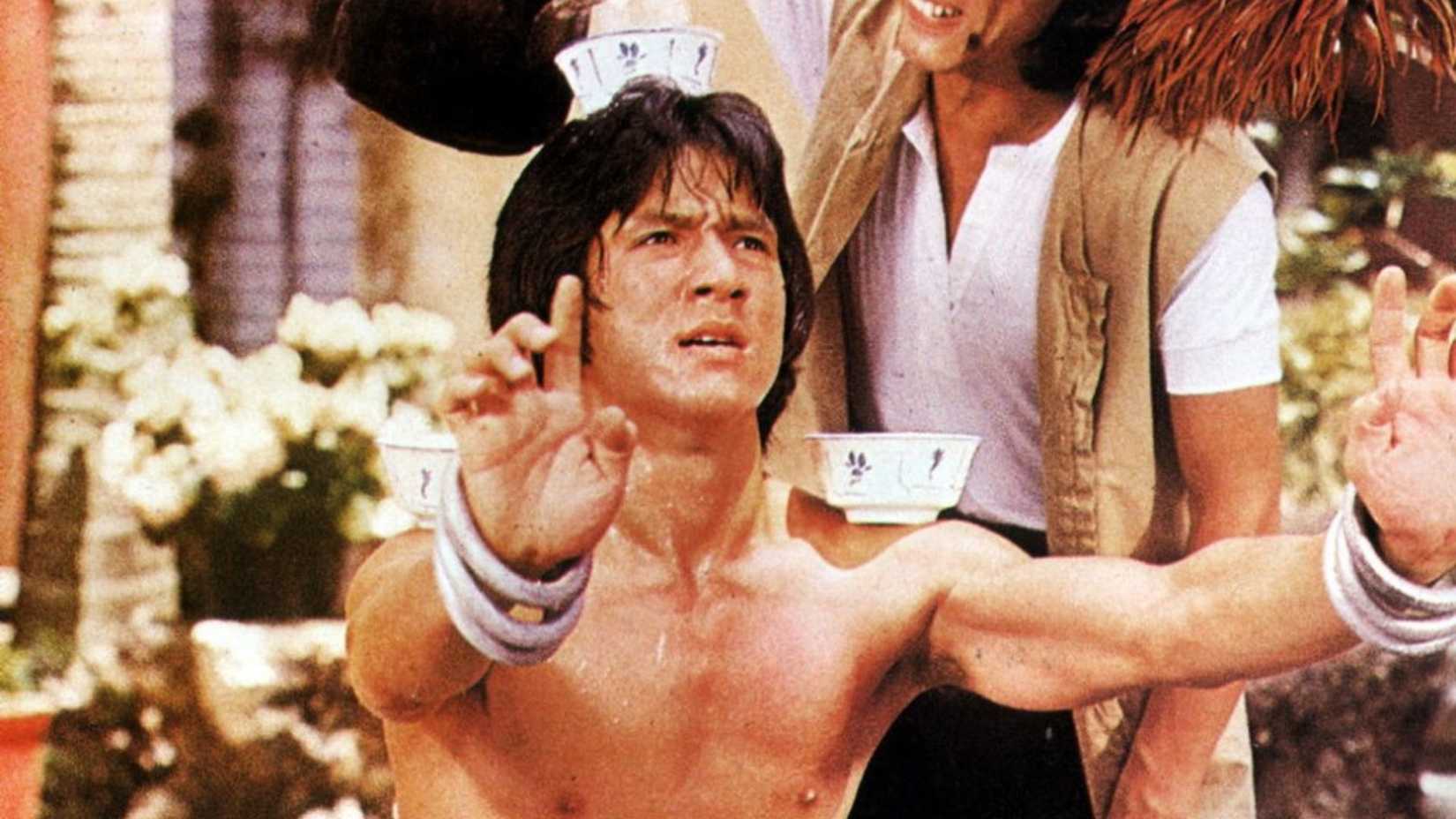
Jackie Chan became one of the most successful martial arts actors in cinema history over the last five decades. It all started with his breakout performance in the 1978 movie, Drunken Master. Chan was being pushed before this as the next Bruce Lee, but that was not a role he was built for.
Instead, he used this movie to show producers what he could excel at, and the audiences ate it up. Lee used his drunken kung fu style, which offered acrobatics with a comic sensibility, and it was like nothing else being made at the time. Chan performed every stunt himself, even continuing on after injuring himself.
By the end, Drunken Master was the year’s top Hong Kong film and it proved that Jackie Chan was a martial arts movie star who could stand on his own, rather than just a copy of Bruce Lee.