There’s a moment in a great blues performance when words stop being enough. The lyric has said what it can say, the singer pulls away from the microphone, and something else has to carry the emotion forward.
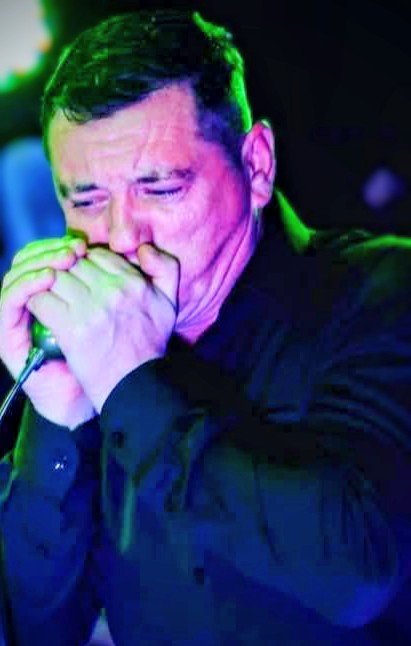
For Paddy Smith, that something is the harmonica.
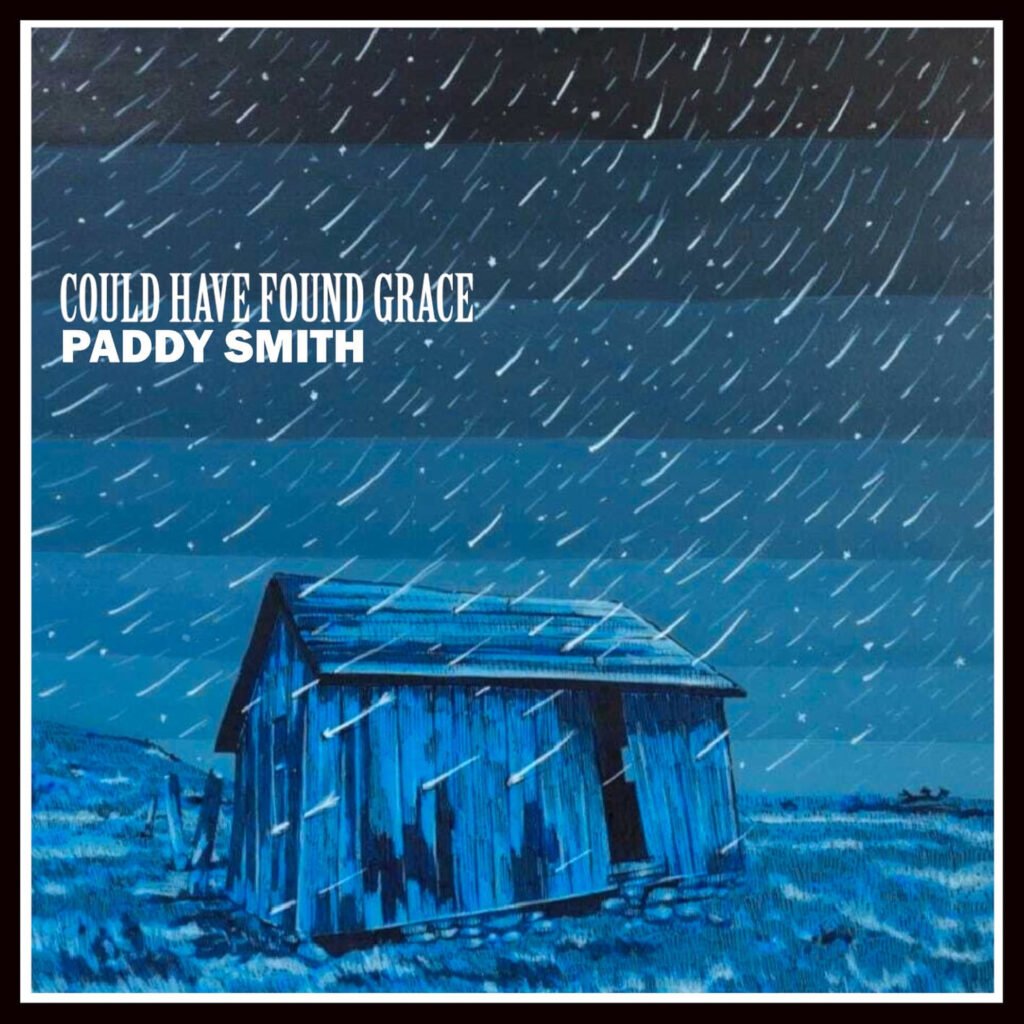
On his new album, Could Have Found Grace, Smith doesn’t treat the harmonica like an obligatory nod to blues tradition. He uses it almost cinematically — creating tension, answering his own vocals, changing the emotional temperature of a song and sometimes saying more in a handful of bent notes than another verse possibly could.
That relationship between voice and instrument has become one of Smith’s defining qualities as a performer.
Smith has spent decades immersed in Ireland’s blues and rock scene, developing a sound that owes plenty to the musicians who came before him without feeling trapped by them. His harmonica playing has the grit blues demands, but there’s something intensely personal about the way he uses it. He isn’t interested in showing an audience how many notes he can play. He’s interested in making the right note hurt.
And sometimes he barely plays at all.
That may be the secret.
Smith understands silence. He understands anticipation. He knows that a harmonica entering at exactly the right moment can completely change the meaning of what came before it. A note can sound wounded, defiant, lonely or hopeful depending on how it’s attacked, bent and released. In Smith’s hands, those choices become part of the storytelling.
That instinct is particularly effective on Could Have Found Grace, an album concerned with struggle, consequence, resilience and the possibility of redemption. These aren’t subjects that benefit from musical excess. They need space, and Smith gives them plenty.
The musicians surrounding him are more than capable of filling that space themselves. The album features Aongus Ralston of The Waterboys, Jason Duffy of The Corrs, James Delaney — whose credits include Van Morrison and Rory Gallagher — and Danny Tobin. It’s an accomplished group of players, but the performances don’t become a competition for attention. They build an environment around the songs.
And then Smith’s harmonica walks into that environment like another character.
Sometimes it challenges his vocal. Sometimes it comforts it. Sometimes it sounds almost irritated by what he has just sung. Elsewhere, it seems to linger after a lyric as though the thought hasn’t quite finished.
That makes Could Have Found Grace interesting beyond its obvious blues-rock credentials. Smith isn’t simply making music influenced by the blues. He’s using one of the blues’ oldest ideas: that an instrument can speak.
The earliest masters of blues harmonica understood this instinctively. They bent and distorted notes because they weren’t chasing technical perfection. They were chasing the human voice — its cracks, cries, whispers and rough edges. Smith carries that philosophy forward without turning his music into an exercise in nostalgia.
His harmonica sounds lived-in because the songs sound lived-in.
There’s no separation between the man singing about hard roads and the musician answering those words through an instrument he’s spent years learning to make speak. They feel like two halves of the same conversation.
That’s ultimately what makes Paddy Smith’s playing distinctive.
You can teach someone scales. You can teach technique. You can teach when a chord changes.

It’s much harder to teach someone when not to play.
Smith knows the difference.
On Could Have Found Grace, the harmonica isn’t waiting in the background for its big solo.
It’s been telling the story all along
Could Have Found Grace is streaming worldwide now via Tribeca Records at found.ee/paddysmith_couldhavefoundgrace-1.